Well Drilling Questions in Oregon, Answered Plainly
Most well drilling questions in Oregon come down to cost, placement, depth and records. Casey Jones Well Drilling, a fourth-generation family company, has drilled over 10,000 wells here since 1947.
New Well Drilling Questions in Oregon
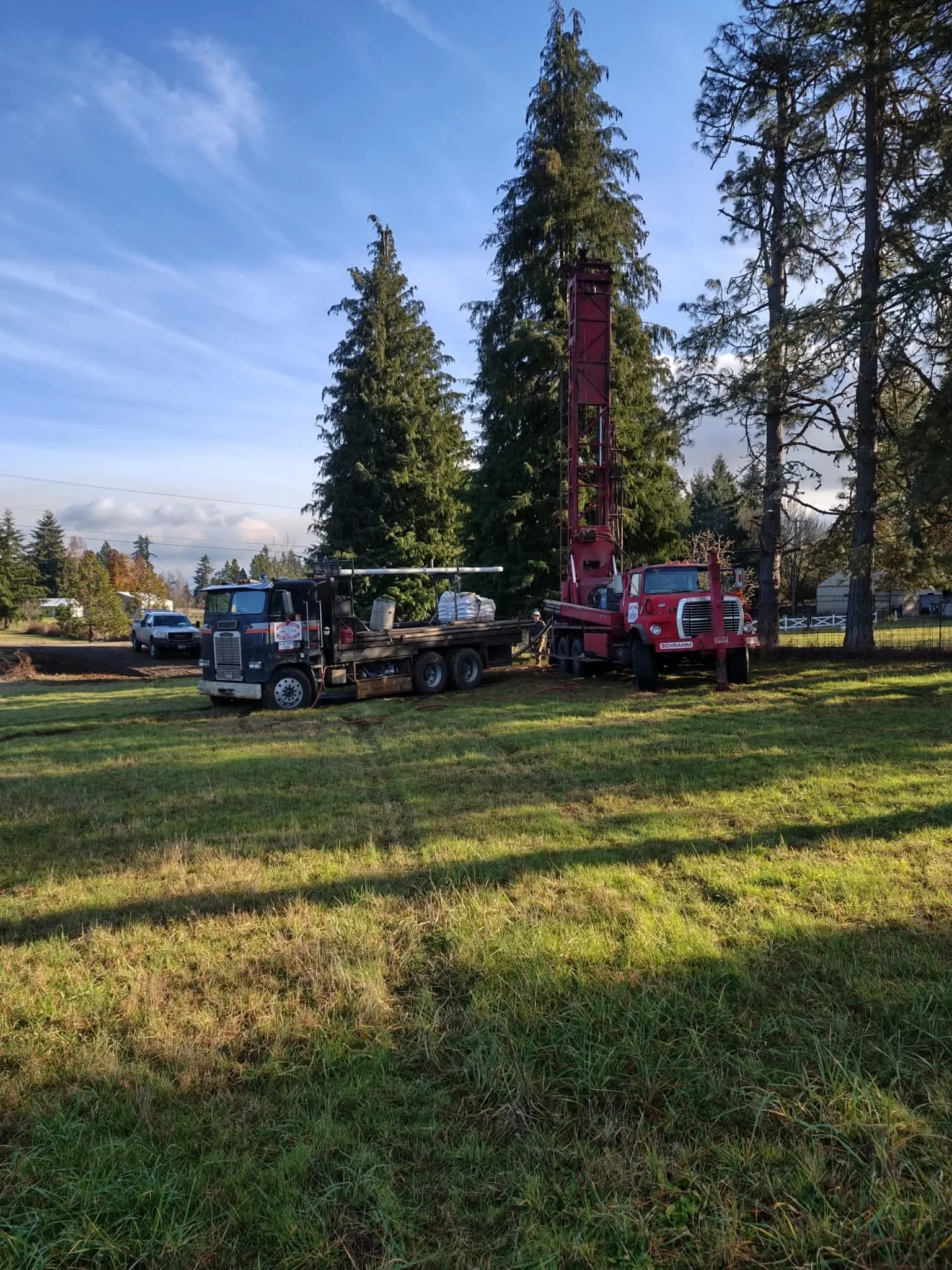
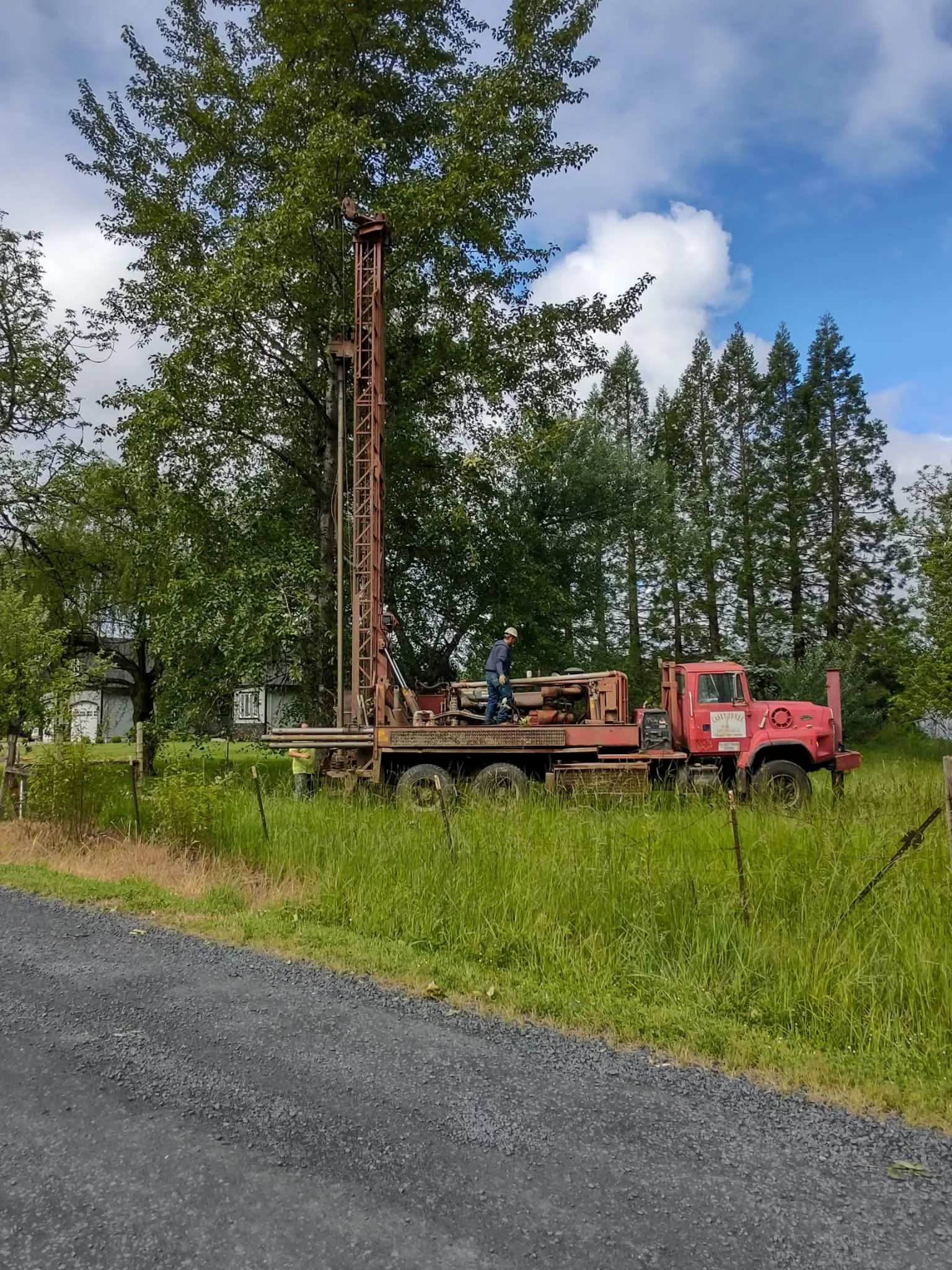
Most of the wells Casey Jones Well Drilling puts in serve rural homes around Lane County, so most first questions are about price, placement and what kind of well fits the property. The answers depend on the ground under your land, which is why a site visit comes first.
What affects the price of drilling a new water well?
Four things set most of the price: the casing, which must reach bedrock with a 20 foot minimum, the total drilling depth, the drive shoe and the well cap. Unstable ground needs an underreamer system and a more costly drive shoe. Per foot prices also move with material costs, so a free estimate for your property gives the clearest number. Read more about residential water well drilling.
Will you help me decide where the well should go?
Yes. Casey Jones Well Drilling prefers to meet you on the property, walk the site together and help locate the well. During that visit the crew talks through local ground problems and any special drilling techniques your site may call for, so you know what to expect before the rig arrives. Call (541) 747-2806 to set up a visit.
Do you drill wells for farms, businesses and other projects?
Yes. Besides household wells, the company drills irrigation wells for anything from a backyard garden to large crop fields, groundwater monitoring wells under a separate State of Oregon license, geotechnical holes, heat pump loop holes and elevator jack holes for construction firms. The full list is on the water well drilling services overview.
Well Location and Oregon Setback Rules
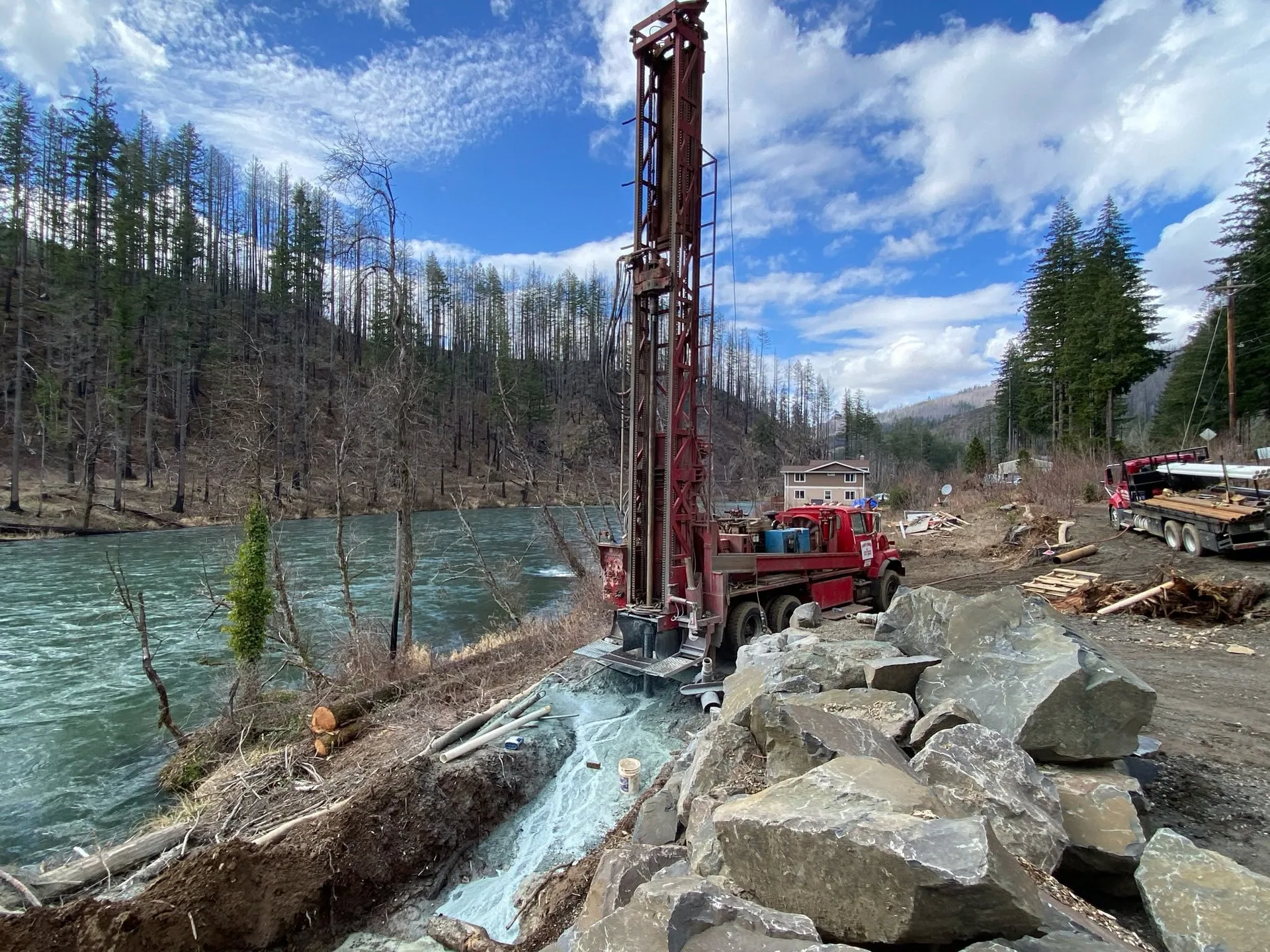
Oregon sets minimum distances between a new well and the things that could contaminate it, and those distances often decide where on a lot the rig can set up. Knowing them early saves redesigning a building or septic plan later.
How far should a well be from a septic system in Oregon?
Oregon rules require a new well to sit at least 50 feet from a septic tank and at least 100 feet from the drain field. Those distances protect the groundwater the well draws from. On a small or sloped lot they can narrow the choices quickly, which is one reason the company likes to look at the site with you before drilling.
Do property lines limit where a well can be drilled?
They do. Oregon also sets distances between a well and the property line, and those apply on top of the septic setbacks. On a narrow rural parcel, the property line and septic distances together can leave only one or two workable spots. Planning the well and the septic layout at the same time avoids having to move either one later.
How Deep Is a Well, and How Much Water Will It Hold?
A well is both a water source and a storage tank, so its depth matters for how much water is on hand as well as how much the ground delivers. Matching both to the way you use water is what makes a well feel reliable.
How deep is a well drilled for a home?
There is no single depth, because it depends on the ground and the water found under your property. The casing goes down to bedrock, at least 20 feet. While drilling, the crew uses compressed air to clean the hole and measure the flow, which shows how much water the well is producing before the work is finished.
How much water does a finished well store?
A typical well holds about 1.5 gallons of water per foot of depth, and the water usually rises to within about 25 feet of the surface. That means a 300 foot well stores enough water to supply an average house for about a day, on top of what flows in from the surrounding ground.
How much water does a house need each day?
A single family home uses about 50 to 75 gallons per person per day. Apartment living runs closer to 40 gallons per person, and luxury homes can reach 100 to 150 gallons per person. A lawn and garden adds anywhere from 200 to 1,000 gallons a day, so outdoor watering often sets the real demand.
How much water do livestock and poultry need?
Daily needs per animal run about 12 gallons for cattle, 35 for a dairy cow, 12 for a horse, 4 for a hog, and 2 each for a goat or a sheep. Poultry is figured per 100 birds: about 5 to 10 gallons for chickens and 10 to 18 gallons for turkeys. Add these to household use when sizing a farm well.
How to Find a Well Log in Oregon
The Oregon Water Resources Department (OWRD) keeps the state's well reports, called well logs, and anyone can search them. A well log is often the best record of what is already in the ground on a property.
Where can I look up the record for an existing well?
Use the OWRD well log search and enter the township, range and section of the property. Those appear in the Map Number on your property tax statement. For example, 1705201002500 means Township 17S, Range 5W, Section 20, Taxlot 2500. The log shows how the well was built and how deep it goes, which helps when planning a repair or a replacement.
Why can't I find a well log for my property?
Older well reports often list no street address, only the township, range and section, so a well can be hard to match to a lot. Searching nearby sections sometimes turns it up. Some wells were never reported at all. If no log exists, Casey Jones Well Drilling can talk through what is known about the well and your options.
1705201002500
An example Map Number- Township
- 17S
- Range
- 5W
- Section
- 20
- Taxlot
- 2500
Enter the township, range and section in the OWRD well log search to find the report.
Water Quality, Pumps and Payment
A family company since 1947, Casey Jones Well Drilling handles the drilling, while related family businesses cover other parts of a water system. Knowing who does what keeps a new well project moving.
Who is responsible for testing well water?
The well owner is responsible for water quality. Test the water after a new well is drilled and once a year after that. Casey Jones Well Drilling does not test water itself, but the crew can help you take samples to a local lab, so the results come from an independent source you can trust.
Does Casey Jones Well Drilling install pumps or pressure tanks?
Pump installation and service, chlorination and pressure tanks are handled by Rainbow Pump Company, Inc., a family company split off from the drilling business in 1976. Its technical staff have years of pump experience and factory training. The history of the Jones family companies explains how the businesses work together.
What areas do you serve, and how can I pay?
The company works across Lane, Lincoln and Benton Counties and surrounding areas within about 80 miles of Pleasant Hill. Payment is accepted by Visa, MasterCard, Discover, cash or debit. The office is open Monday to Friday, 8:00 AM to 4:00 PM. See the full well drilling service area for details.
Still Have a Question About Your Well?
Every property is different, and a short conversation on site usually settles what no general answer can. Call Casey Jones Well Drilling at (541) 747-2806, Monday to Friday, 8:00 AM to 4:00 PM, or send a request for a free estimate.