Residential Water Well Drilling
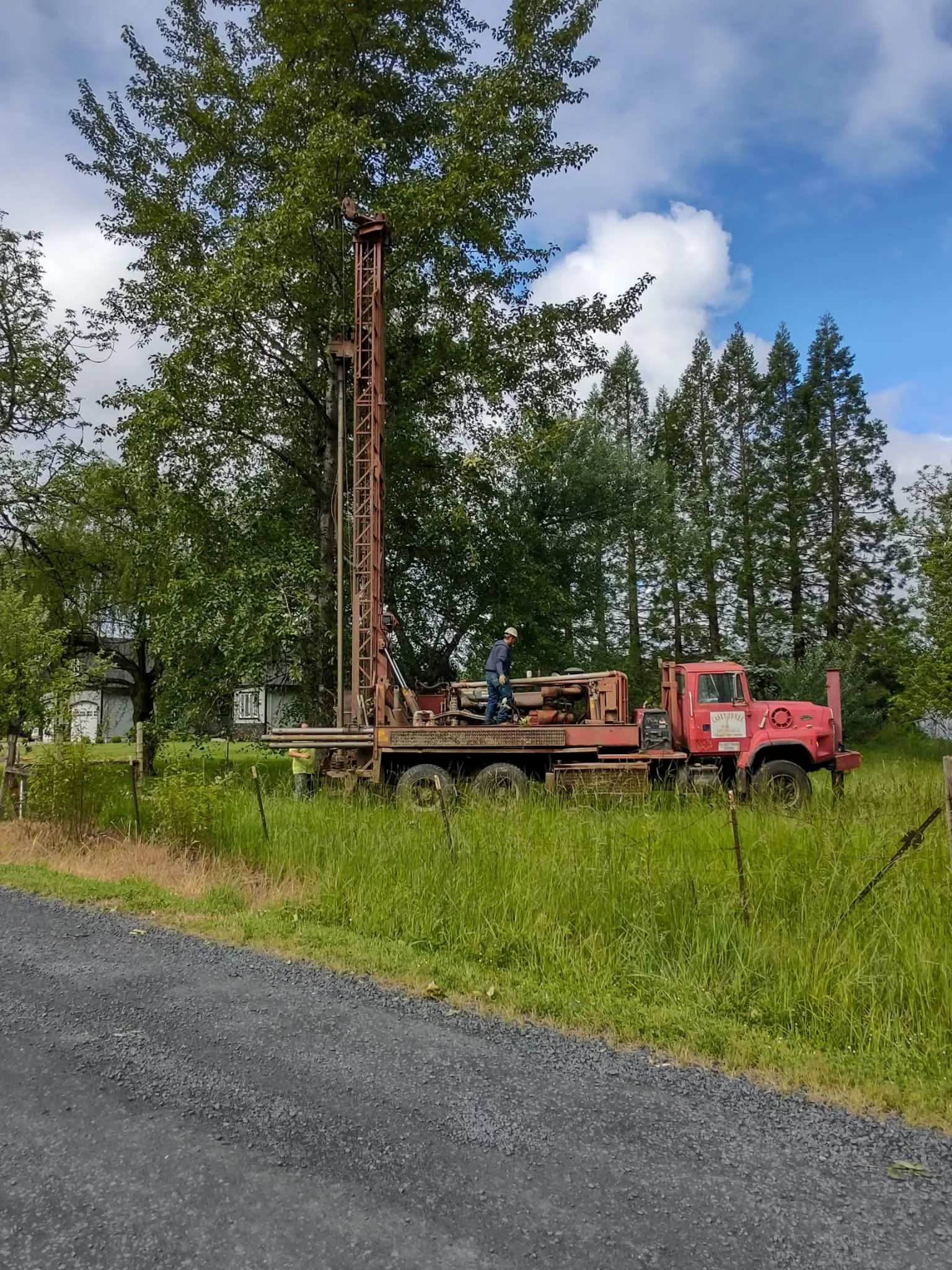
Casey Jones Well Drilling provides residential water well drilling in Eugene, OR and across rural Lane County for homes, cabins and small farms.
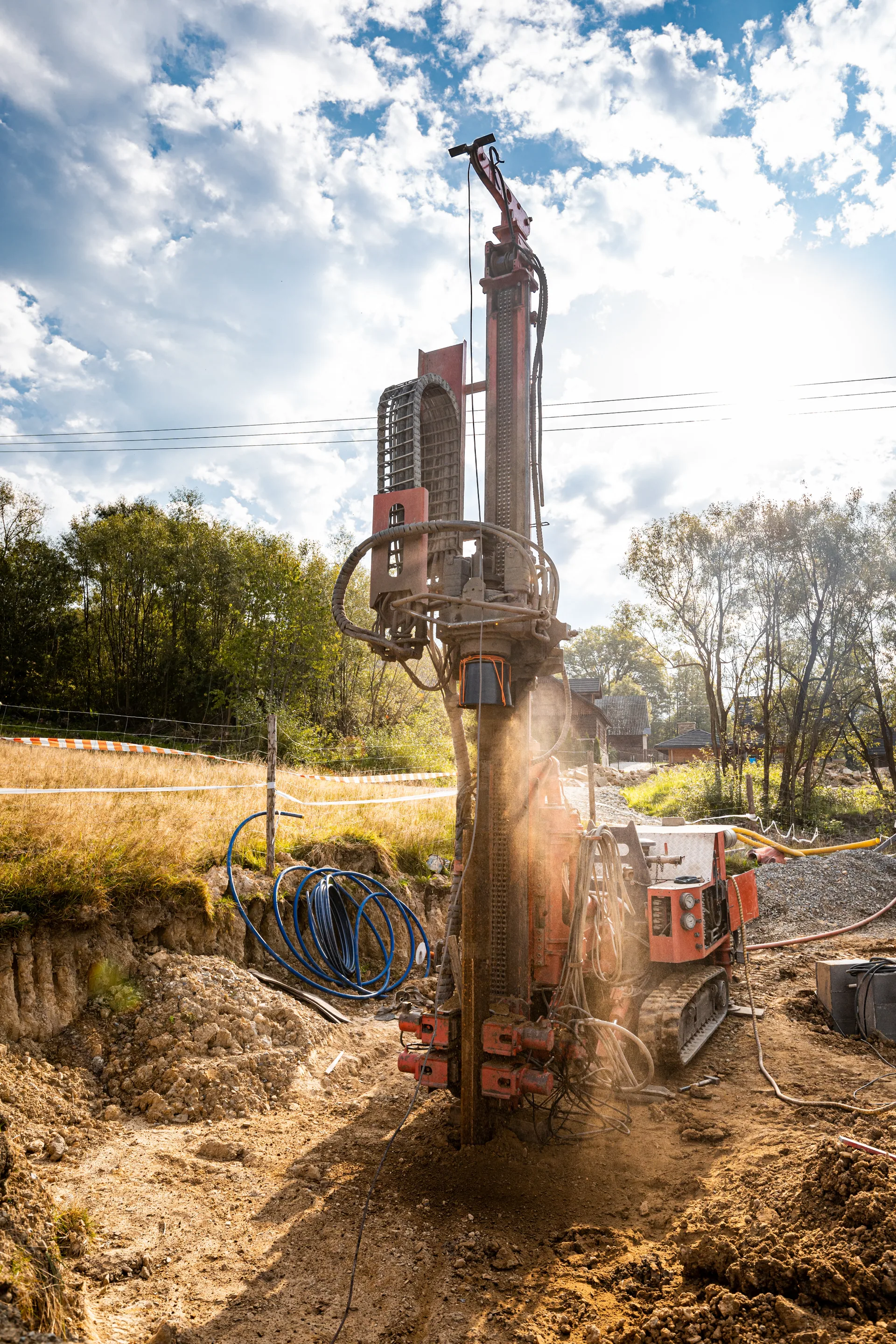
Casey Jones Well Drilling provides geothermal drilling in Eugene, OR and nearby counties, drilling the holes that open and closed loop heat pump systems need. Call (541) 747-2806 for a free estimate.
A ground source heat pump moves heat between your building and the ground, which stays at a steadier temperature than the outdoor air. The drilling is the part of the system you never see again, so it is worth planning carefully. Property owners usually start looking at it in a few situations:
Your heating contractor or system designer decides whether a ground source system suits the building and how much loop it needs. Our job is drilling the holes that system depends on, to that design.
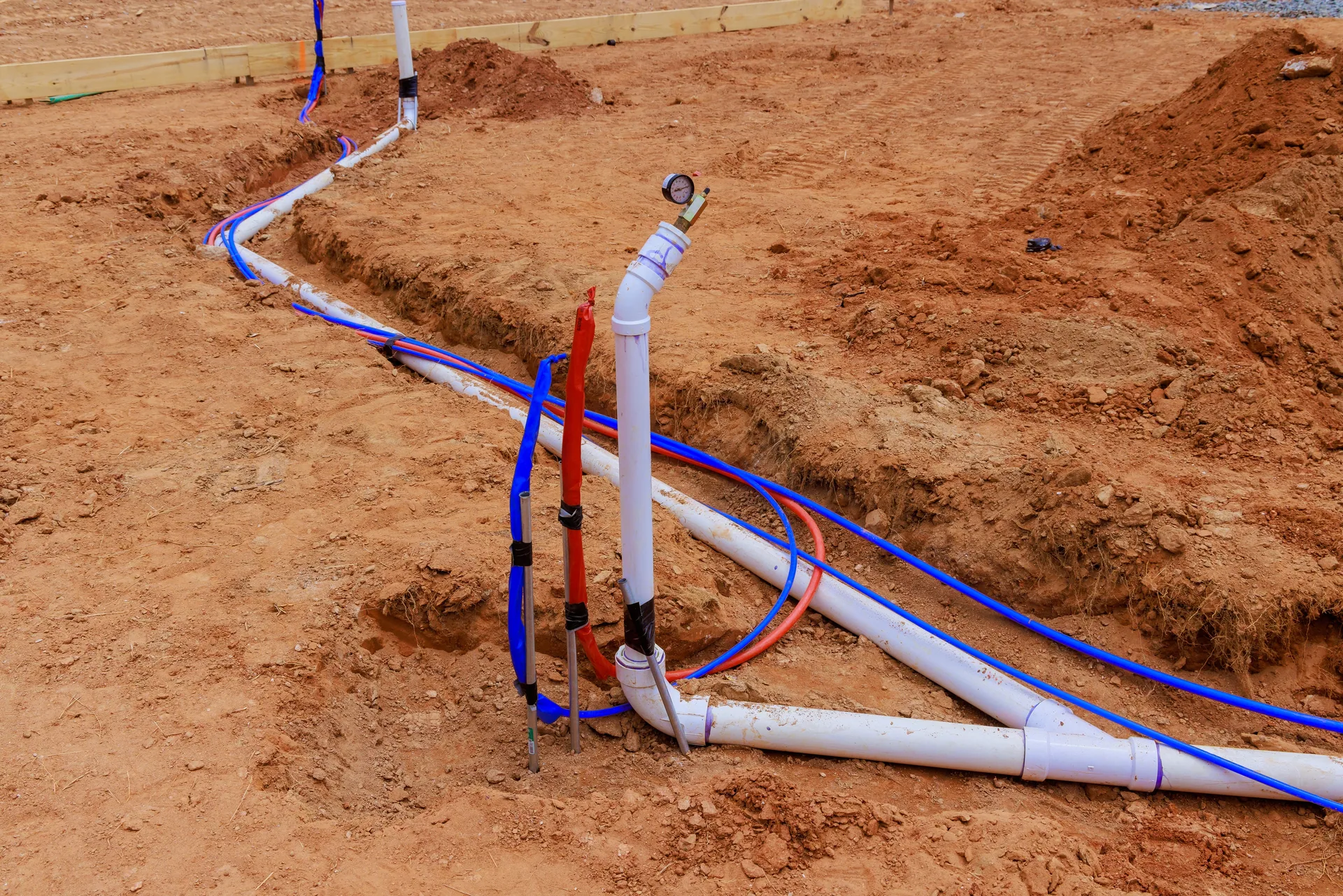
Geothermal heat pump drilling works best as a team effort between the owner, the heating designer and the driller. We fit our work to the system design so the loop goes in once and works as planned.
We look at the design from your heating contractor: open or closed loop, the number of borings and their planned depth. Then we meet you on site to check access for the rig and any local ground problems.
Borings or wells are placed to fit the design, the property lines and setbacks from septic systems. Open loop wells follow the same 50 foot and 100 foot septic setbacks as any water well.
Each hole is drilled to the design depth. For a closed loop, the heat exchange loop is set in the boring, and an uncased boring is grouted after the loop is in place, as Oregon's rules require.
A boring log is prepared for each closed loop boring, and open loop wells receive a well report. Your system then has a documented record of what was drilled and where.
In a closed loop geothermal system, fluid circulates through sealed piping set deep in the ground. The fluid never mixes with groundwater; it simply picks up or gives off heat through the pipe wall. Closed loops are a good fit where groundwater is limited or where the owner prefers not to use well water for heating.
Oregon regulates these borings as geotechnical holes under rules from the Oregon Water Resources Department. They must be drilled by a licensed well constructor or a registered geologist or civil engineer. A closed loop boring may be used only for heat exchange, fluids used to build it must meet the heat pump industry standards the rule names, and each boring needs a complete boring log.
Casey Jones Well Drilling drills holes for closed loop heat pump systems, and the company is licensed by the State of Oregon to drill groundwater monitoring wells, one of the licenses that qualifies a constructor to build these borings. Closed loop geothermal drilling in Eugene, OR and the surrounding valley is work we plan with the same care as a water well.
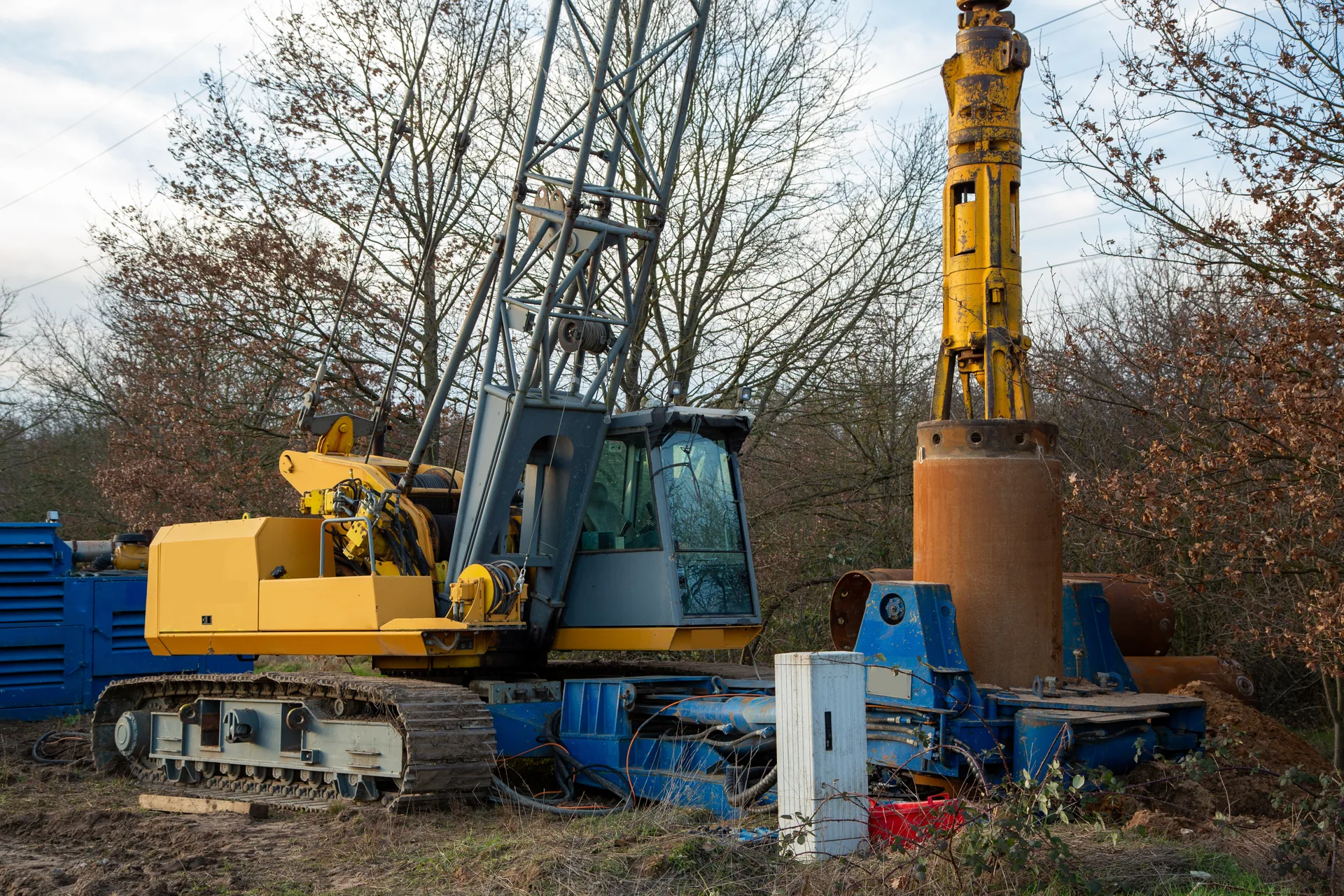
An open loop system uses groundwater directly. Water is drawn from a well, passed through the heat pump to exchange heat, and then returned or discharged. Ground source heat pump wells for open loop systems are true water wells, so they are drilled, cased and capped like any other well.
Open loop systems depend on a well that can deliver steady flow, so the planning looks like planning a household well. Casing goes to bedrock, at least 20 feet, and compressed air cleans the hole and measures the flow before the well is finished.
Because an open loop uses groundwater, it is worth asking the local watermaster at the Oregon Water Resources Department how the state's water use rules apply to your project before the design is final. We can talk through what we know about local wells while you confirm the details with the state.
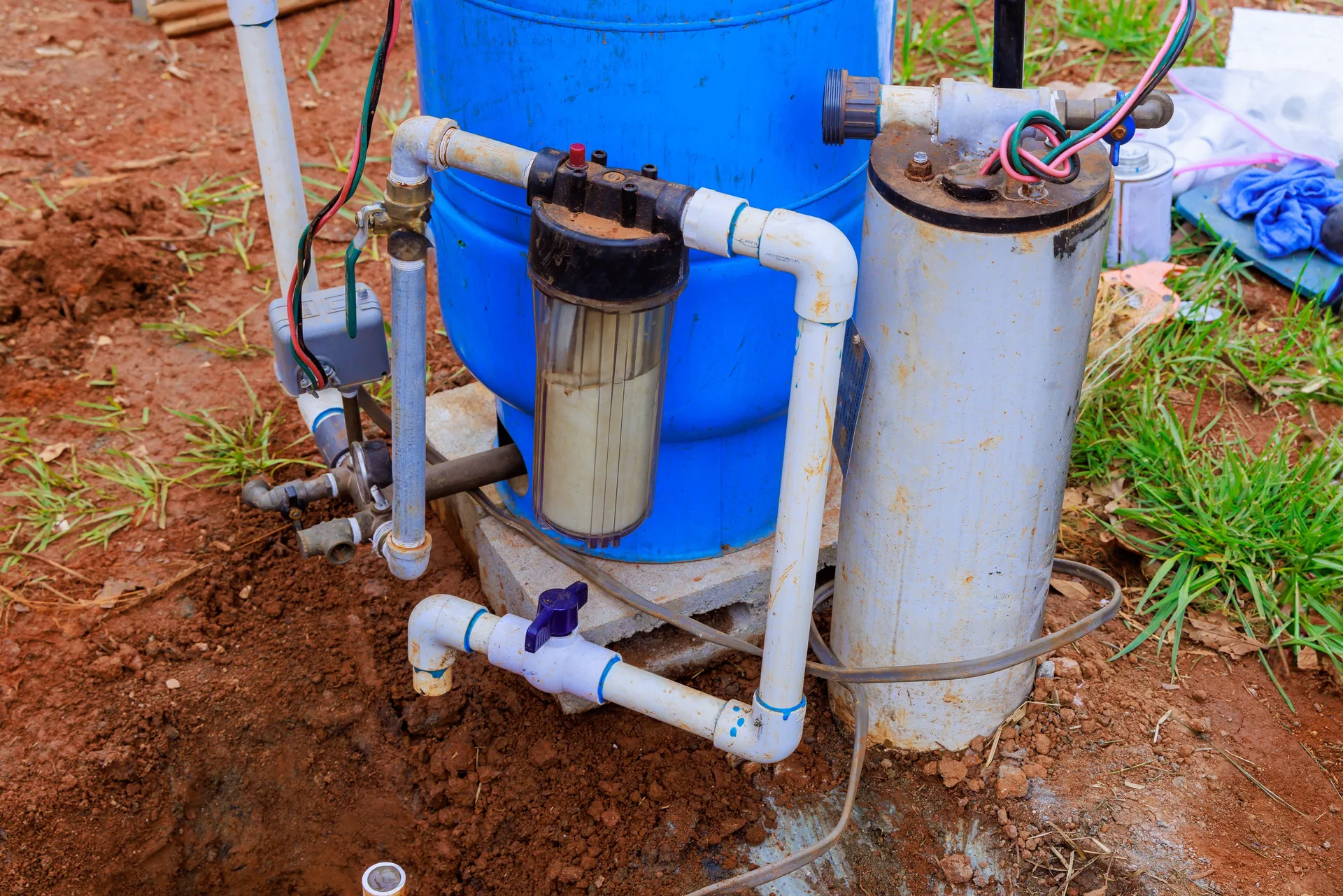
Geothermal well drilling is priced from the system design and the site, so a free estimate starts with your heating designer's plan. These are the factors that change the total most:
We explain each part of the price so you can weigh the drilling cost alongside the rest of the heat pump system. Your heating contractor can then compare the full ground source option against other systems with real numbers.
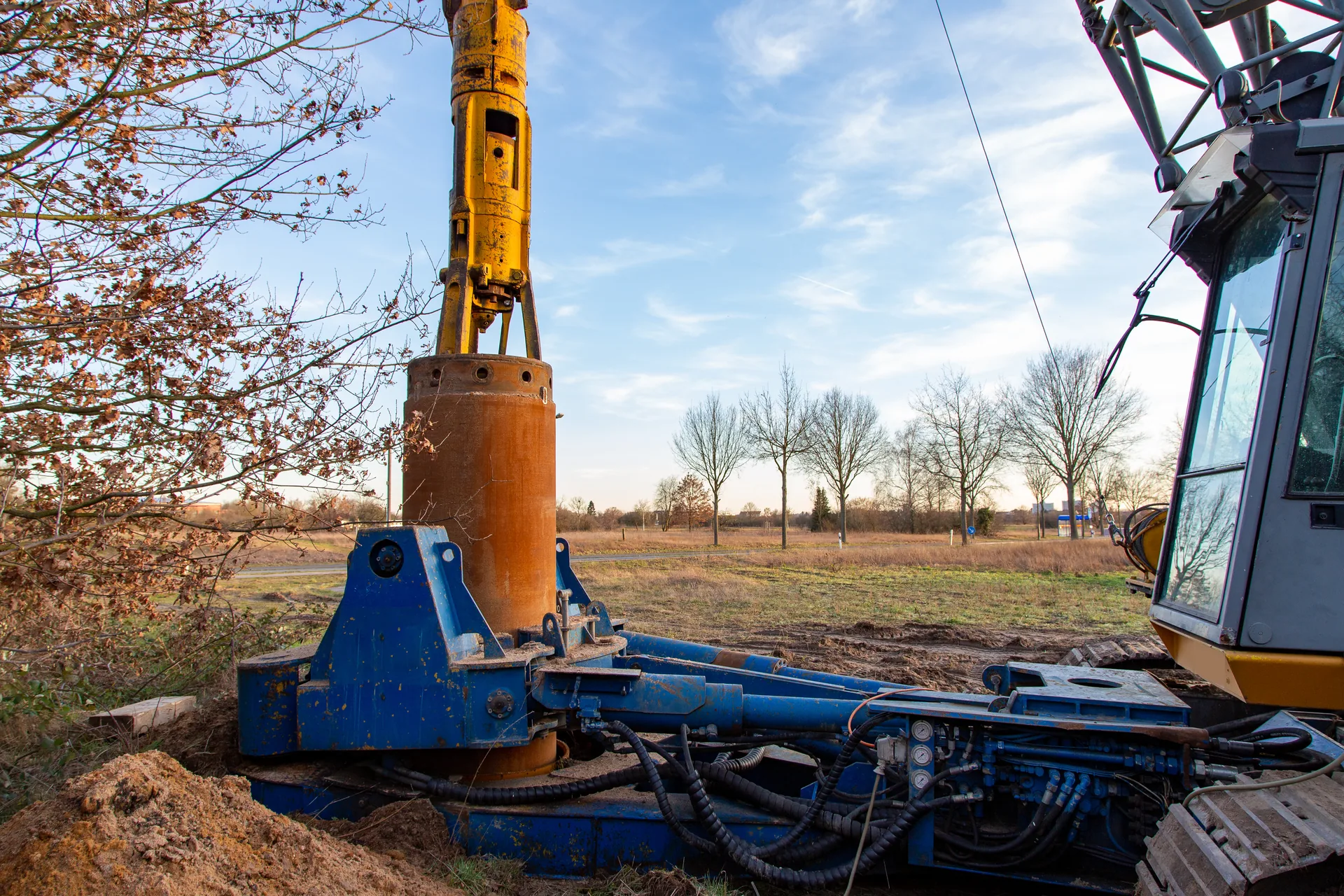
Casey Jones Well Drilling Company, Inc has drilled over 10,000 wells in Oregon since 1947, and the company is fourth generation family owned and operated. That depth of local drilling experience helps when a loop has to go through ground that changes from one property to the next.
We hold Oregon contractor license CCB #114437 and the state license for groundwater monitoring wells. For new home sites, C. J. Development Co. can handle excavation and trenching, and Rainbow Pump Company, Inc. installs and services pumps.
For geothermal drilling in Eugene, OR, that means the borings, the trenches to the house and any water well on the property can come from one family of companies. We accept Visa, MasterCard, Discover, cash and debit.
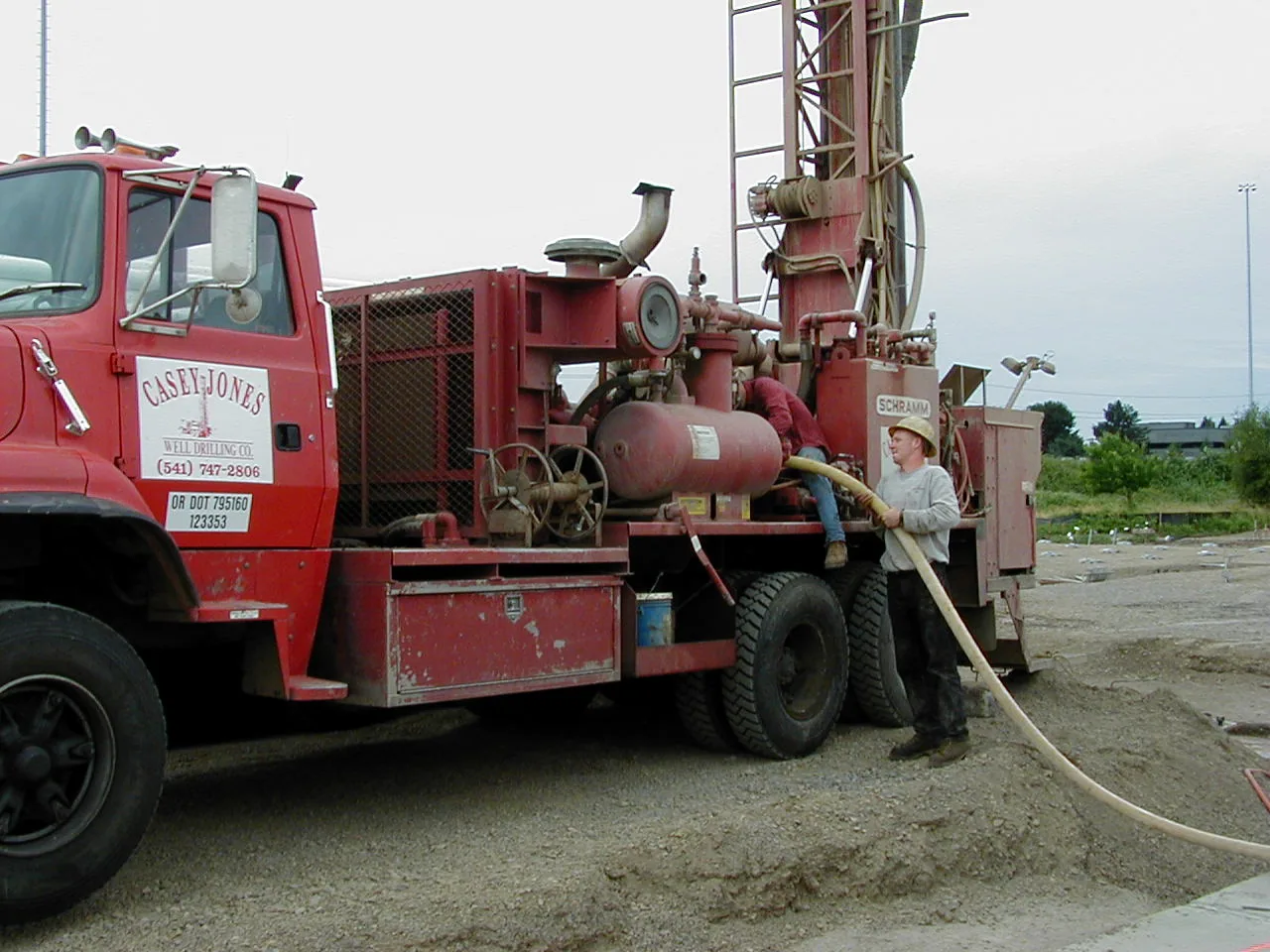
From Pleasant Hill, just southeast of Eugene and Springfield, we drill for heat pump systems in Lane County, Lincoln County and Benton County, and surrounding areas within about 80 miles. Lane County reaches from the Pacific coast to the Cascades, so the rock and water a boring meets can vary widely across our area. Knowing what nearby wells have shown helps us plan geothermal drilling in Eugene, OR and outlying areas before the first hole is started.
Check our well drilling service area to see where we travel. Homeowners who also need a water supply can read about residential water well drilling, and our full list of water well drilling services is in one place.
Casey Jones Well Drilling provides residential water well drilling in Eugene, OR and across rural Lane County for homes, cabins and small farms.
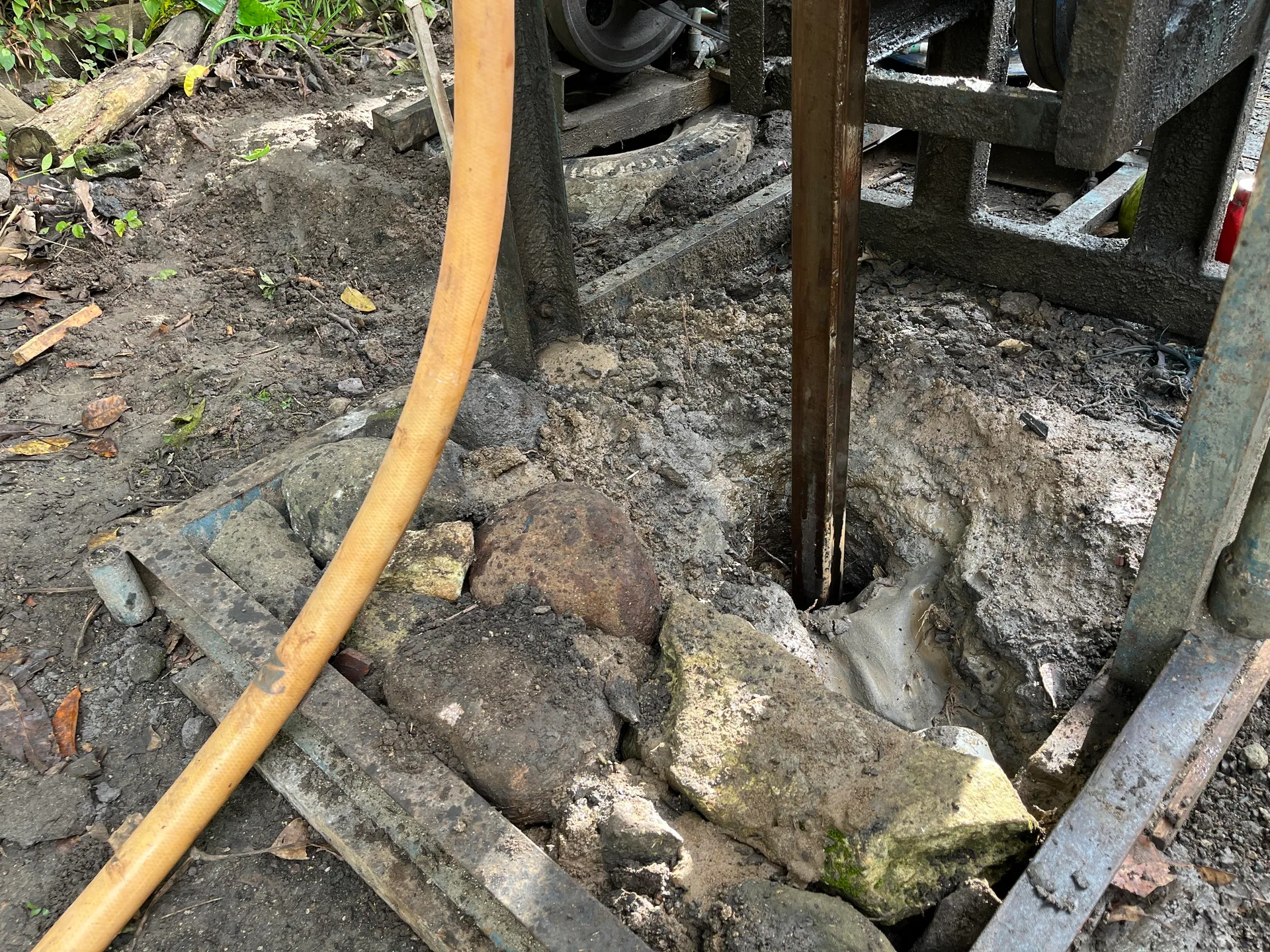
Casey Jones Well Drilling handles well abandonment in Eugene, OR and across Lane County, sealing old and unused wells so they stop threatening your groundwater.
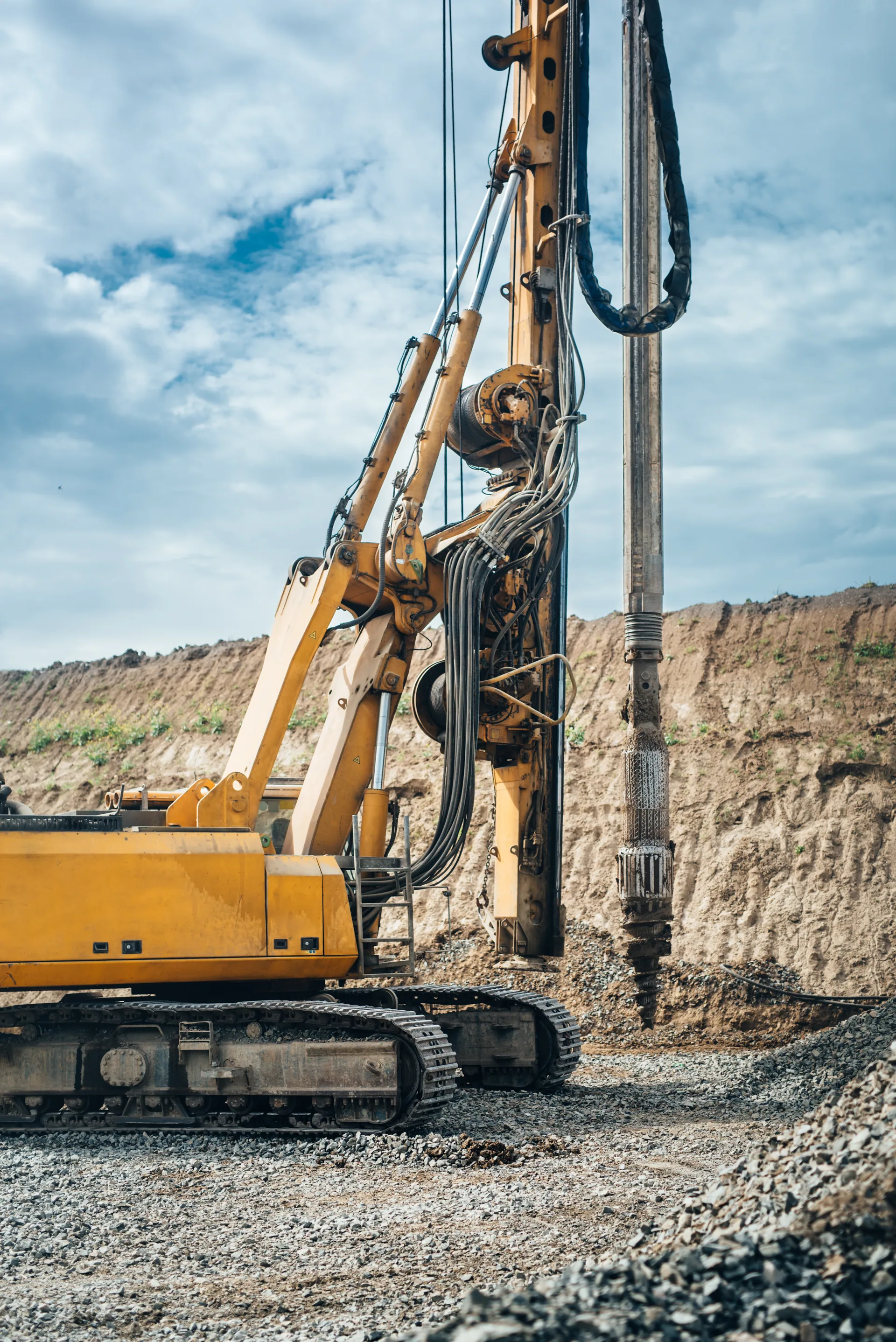
Casey Jones Well Drilling provides elevator jack hole drilling in Eugene, OR for general contractors, elevator installers and building owners who need a clean, accurate hole for a...
A closed loop circulates fluid through sealed pipe in the ground and never touches groundwater. An open loop draws groundwater from a well, runs it through the heat pump and returns or discharges it. Closed loops need borings drilled to the design, and open loops need a well that can deliver steady flow year round.
Yes. Oregon treats closed loop ground source heat pump borings as geotechnical holes, and the person responsible for construction must prepare a complete boring log for each one. The borings must be drilled by a licensed well constructor or a registered geologist or civil engineer, and they may be used only for heat exchange.
Your heating contractor or system designer sizes the heat pump and the loop for your building, including the number of borings and their depth. We drill to that design. Bringing us in while the design is being drawn up lets us share what we know about local ground conditions before the plan is final.
Sometimes, but it depends on whether the well can supply both the household and the heat pump, and on how the water will be returned or discharged. Ask your heating designer to review the well's flow, and check with the local watermaster on how Oregon's water use rules apply before relying on it.
Yes. For a closed loop, Oregon's rules call for an uncased boring to be grouted after the heat exchange loop is installed. Grouting fills the space around the pipe, which protects groundwater and keeps good contact between the loop and the surrounding ground so heat can move efficiently.
The loop under a geothermal system has to be right the first time, because it stays in the ground for the life of the system. Call Monday to Friday, 8:00 AM to 4:00 PM, to talk through your design and set up a site visit.
Please enter your name.
Please enter your email.
Enter a valid email address.
Please tell us a bit about your needs.
Enter a 10-digit phone number.
Please fix the highlighted fields and try again.
Sending...
Something went wrong. Please try again or call us.
This form is not connected yet. Please call us instead.
Too many attempts just now. Please try again in a minute.
That file is too large. Please attach a smaller one, or send it by email.
Something went wrong sending your message. Please try again.
Could not reach the server. Please check your connection and try again.
Spam check