Well Abandonment
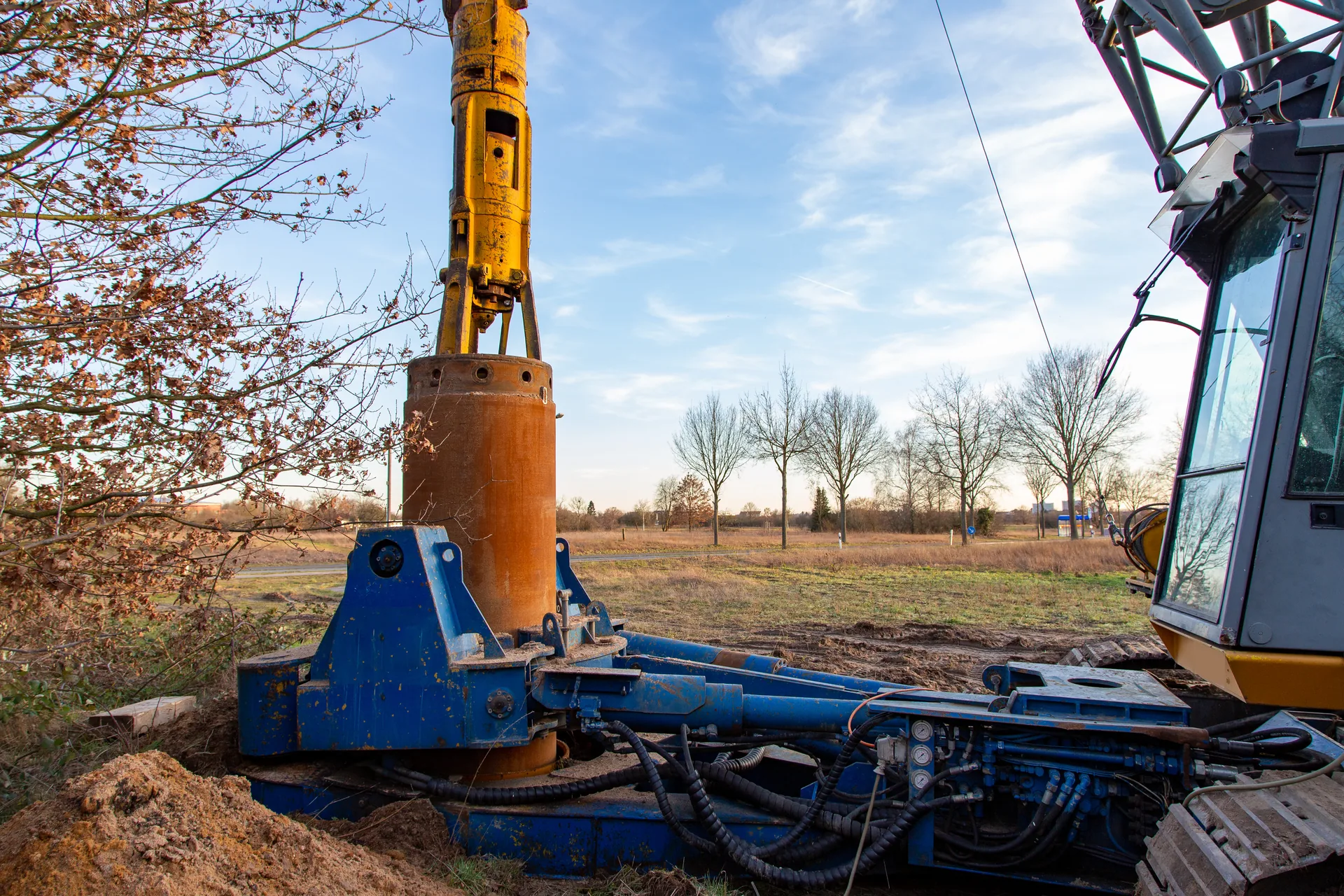
Casey Jones Well Drilling handles well abandonment in Eugene, OR and across Lane County, sealing old and unused wells so they stop threatening your groundwater.
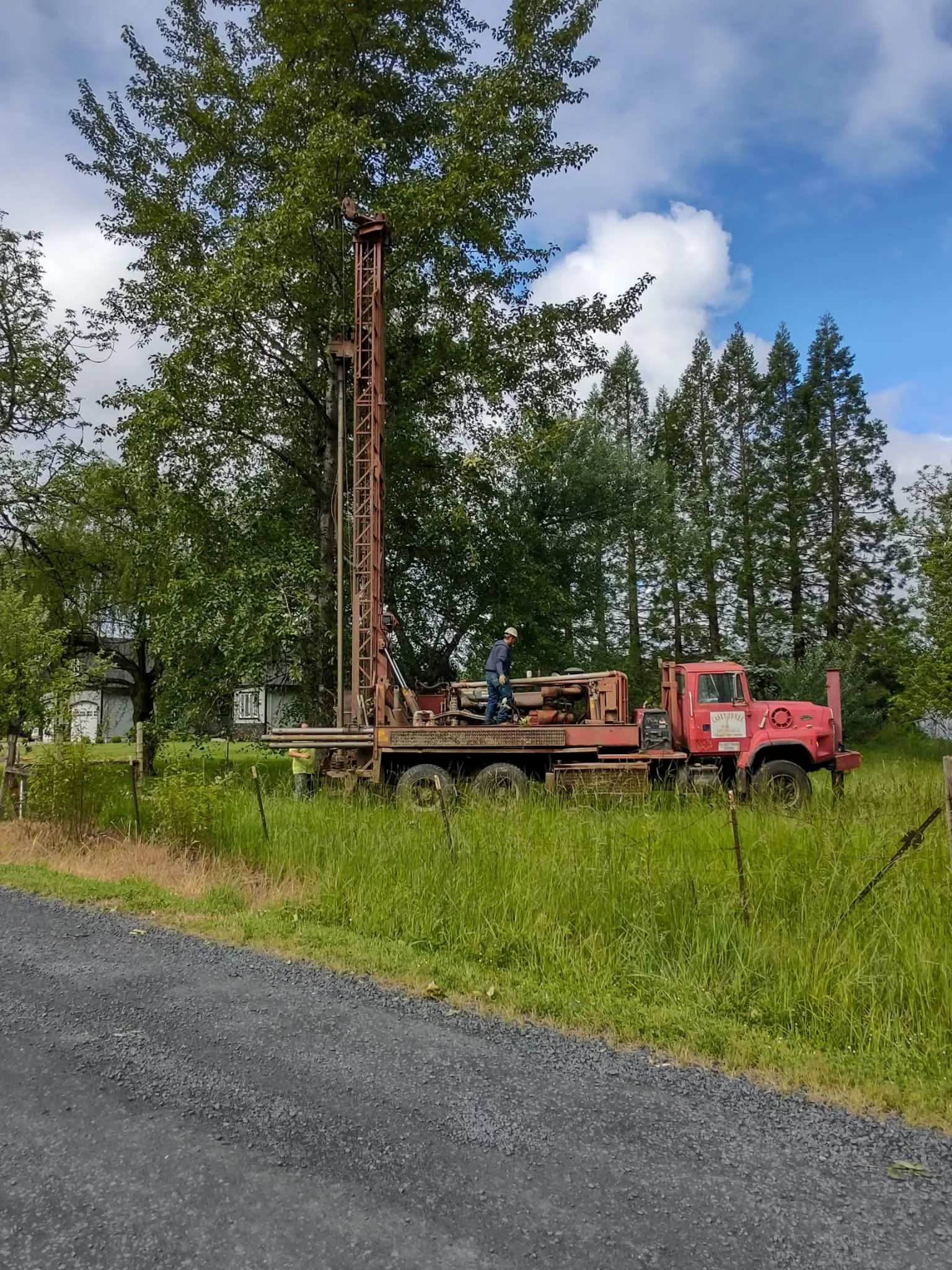
Casey Jones Well Drilling offers well rehabilitation in Eugene, OR and nearby counties, restoring yield in existing wells before you pay for a new one. Call (541) 747-2806 for a free estimate.
Wells rarely fail overnight, and well rehabilitation in Eugene, OR usually begins with a slow decline the owner has noticed for months. Minerals, iron bacteria and fine sediment build up in the casing and in the openings where water enters. Over time, the well gives less water than it used to. Penn State Extension notes that a drop of 25 percent or more in yield is a sign that rehabilitation is in order.
Low well yield can also come from a worn pump or a problem in the plumbing. Pump service belongs to Rainbow Pump Company, Inc., our family's pump business, and ruling the pump in or out is part of finding the real cause.
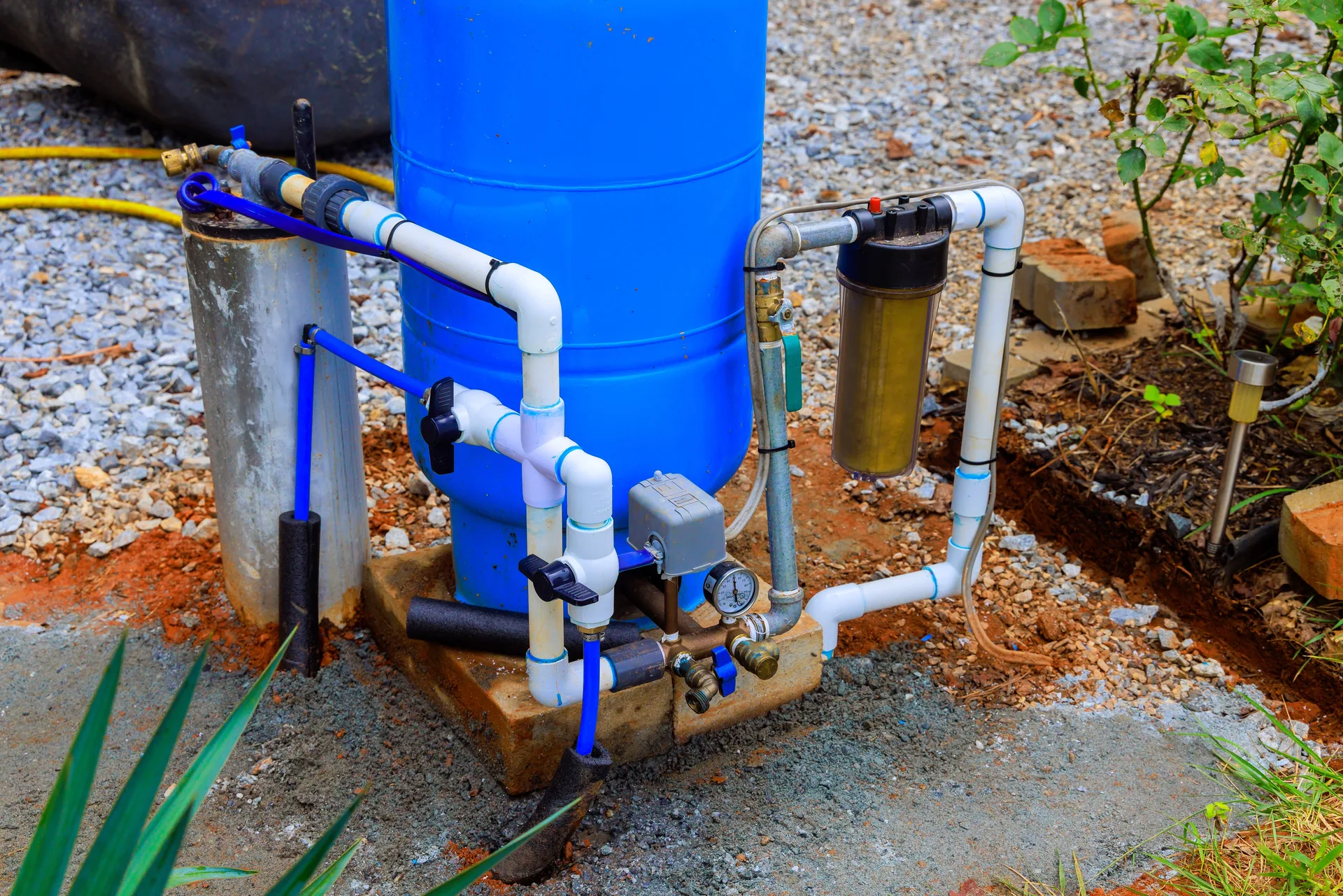
Rehabilitation is a series of decisions, not a single treatment. The right plan depends on how the well was built, what is clogging it and what the well report shows. We gather that information before any work starts.
We review the well report on file with the Oregon Water Resources Department for depth, casing and the original water level. We also ask how the well has changed over time. That history often points to the cause.
A camera run shows the casing, any buildup and any damage. Our down the hole video service lets you see the same picture we do before deciding on a plan.
Loosened scale, slime and sediment are worked free and removed from the well. The methods are chosen for the specific problem and the condition of the casing.
Flow is measured again after the work, so you can compare the result with the well's past performance and decide on next steps with real numbers in hand.
Well rehab generally combines mechanical cleaning with treatment aimed at whatever is clogging the well. Penn State Extension lists the common physical methods as brushing the casing, high pressure jetting, hydrofracturing and surging. Surging moves water back and forth through the openings to break loose fine material. The loosened material is then pumped or bailed out of the well.
Chemical treatment is often paired with the physical work. Acids dissolve mineral scale, and other treatments target iron bacteria and the slime they leave behind. Industry guidance warns that some chemicals must never be in the well at the same time, which is one reason this work belongs with a licensed contractor.
No single method fits every well. We explain which approach makes sense for yours, what it is likely to accomplish and what it will not, before any work begins.
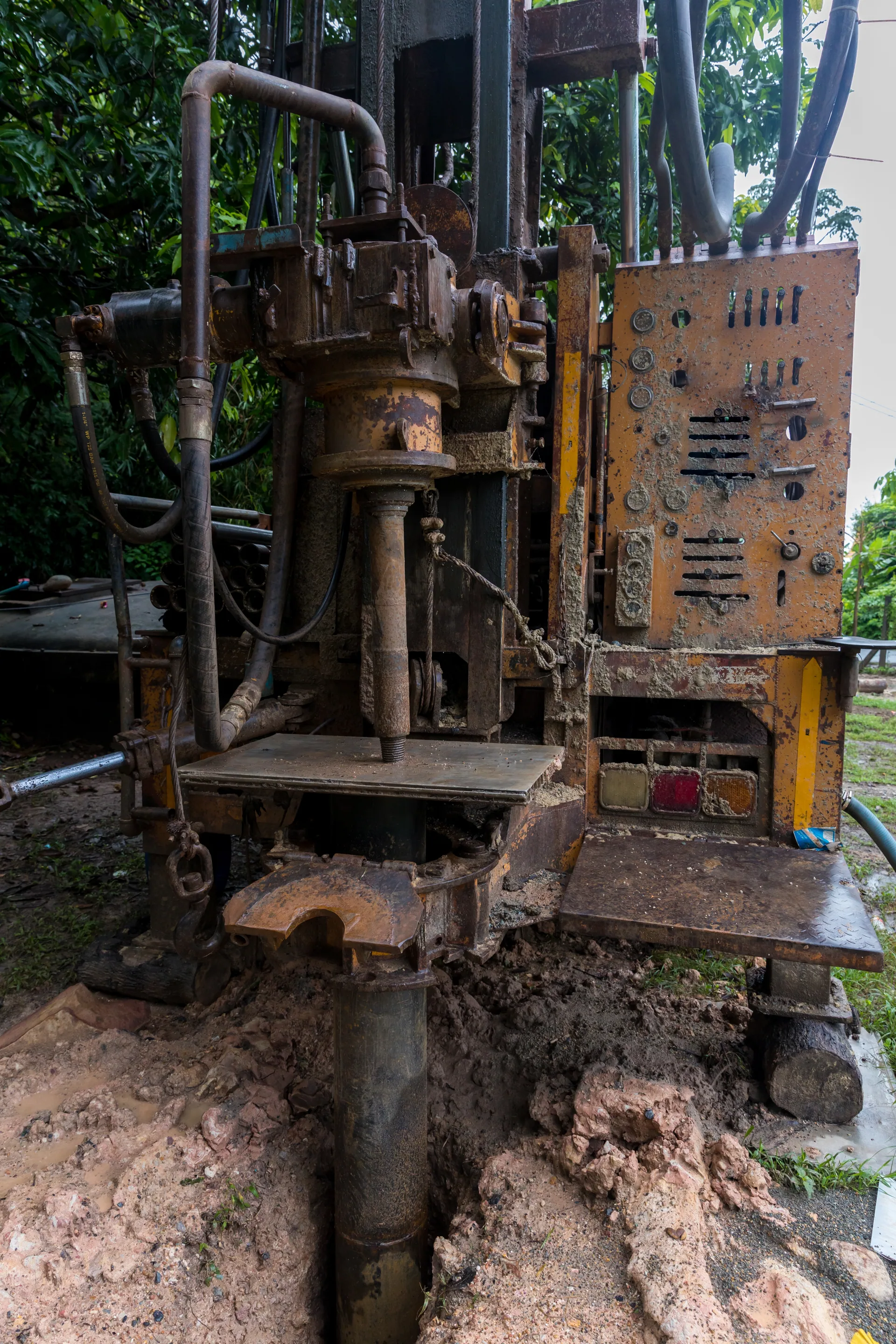
Rehabilitation makes sense when the well is structurally sound and the problem is buildup. Restoring an existing well can save the cost of drilling, casing and permits for a replacement, and the well keeps its known history and location. On a property with limited room between the house, the septic system and the property lines, keeping the existing well site can matter a great deal.
Sometimes a new well is the better investment. A collapsed or badly rusted casing may not be worth the effort. Neither may a well that was always too shallow, or one that now sits too close to a septic system. Oregon setbacks call for at least 50 feet from a septic tank and 100 feet from the drain field.
When replacement is the answer, we can drill the new well and properly seal the old one through our well abandonment service. You get one honest recommendation from a company that does both kinds of work.
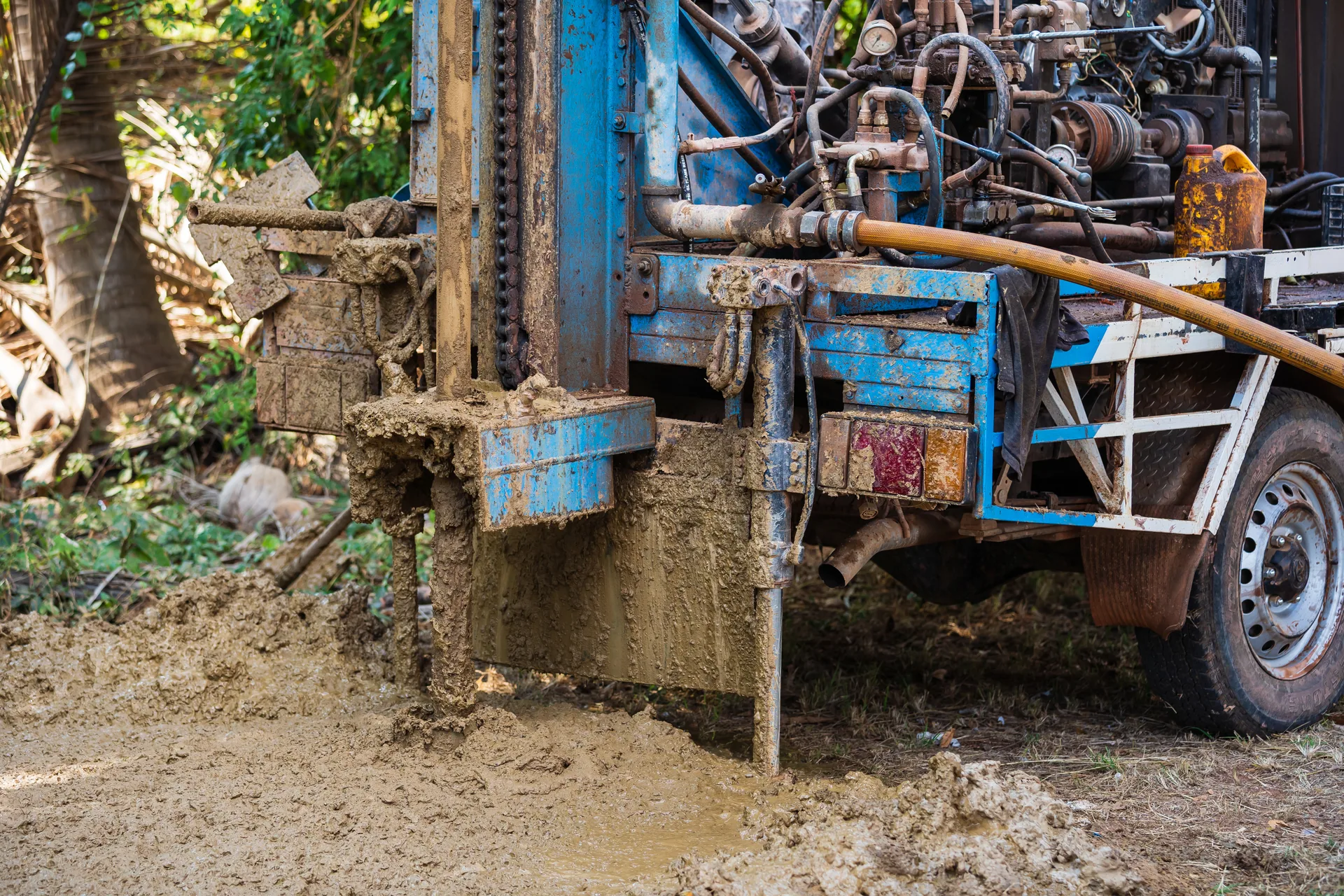
We price well rehabilitation services after we understand the well, because two wells with the same symptom can need very different work. These are the main factors:
Your free estimate explains which of these apply to your well and why. If the inspection shows that rehabilitation is unlikely to pay off, we tell you before any treatment begins.
Casey Jones Well Drilling Company, Inc has drilled over 10,000 wells in Oregon since 1947. A company that has built that many wells understands how they are put together, which matters when the job is working inside one without damaging it. It also means we can give a straight answer when a new well is the better buy.
We are fourth generation family owned and operated and hold Oregon contractor license CCB #114437. Because the family's Rainbow Pump Company, Inc. handles pumps and pressure systems, the well and the pump can be looked at together instead of in isolation.
For well rehabilitation in Eugene, OR and the rural areas around it, that combination saves owners from guessing whether the problem is in the well or in the pump. We accept Visa, MasterCard, Discover, cash and debit.
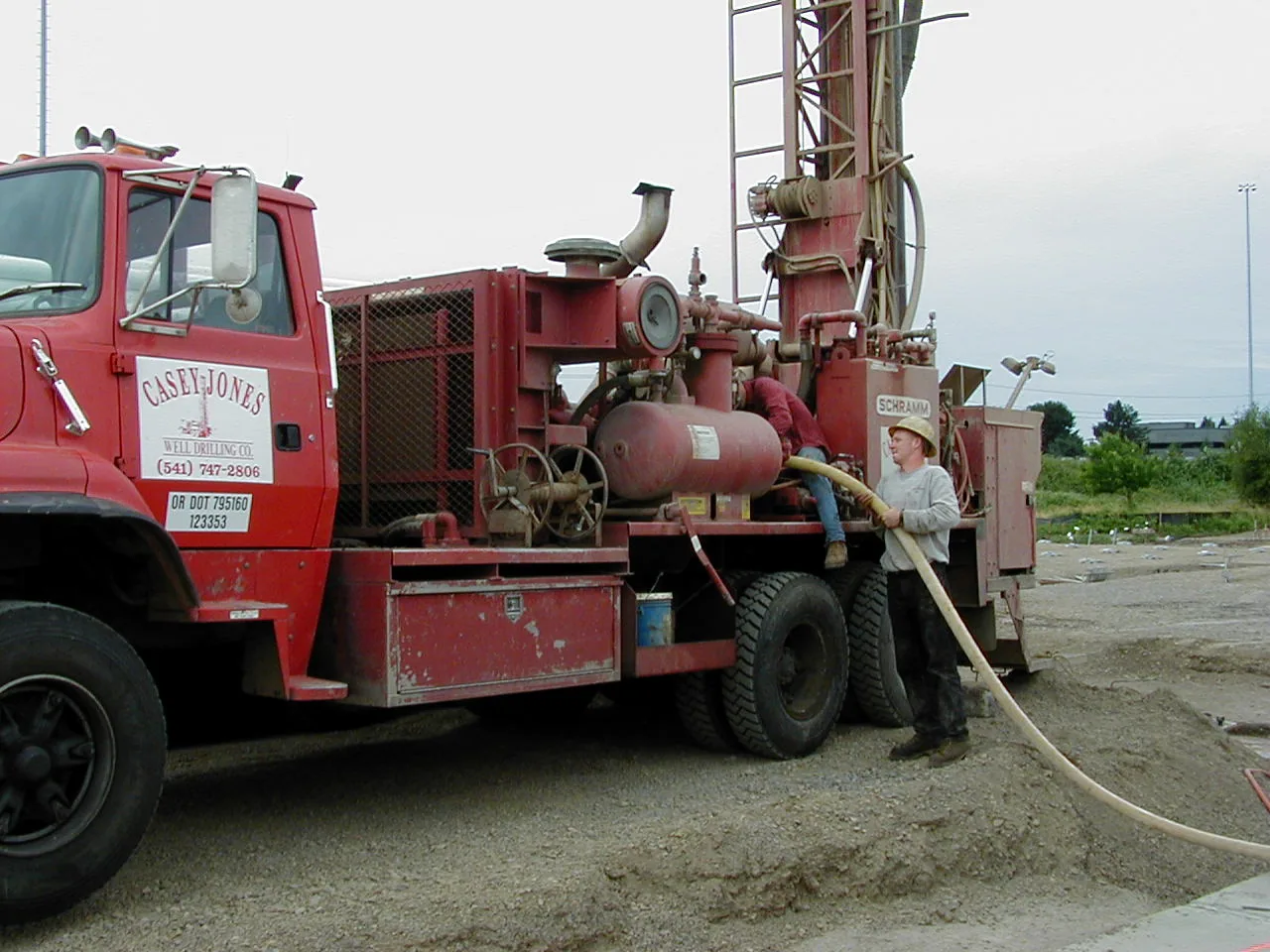
Our shop is in Pleasant Hill, just southeast of Eugene and Springfield. We serve wells in Lane County, Lincoln County and Benton County, and nearby areas within about 80 miles. Lane County stretches from the Pacific coast to the Cascades, and wells across that range face different buildup problems depending on the local water and rock. Decades of drilling in the area help us judge what a slowing well is likely up against, and well rehabilitation in Eugene, OR draws on that same local history.
Our well drilling service area page shows where we work. Wells with sediment problems may only need well cleaning, and every service we offer is on our water well drilling services page.
Casey Jones Well Drilling handles well abandonment in Eugene, OR and across Lane County, sealing old and unused wells so they stop threatening your groundwater.
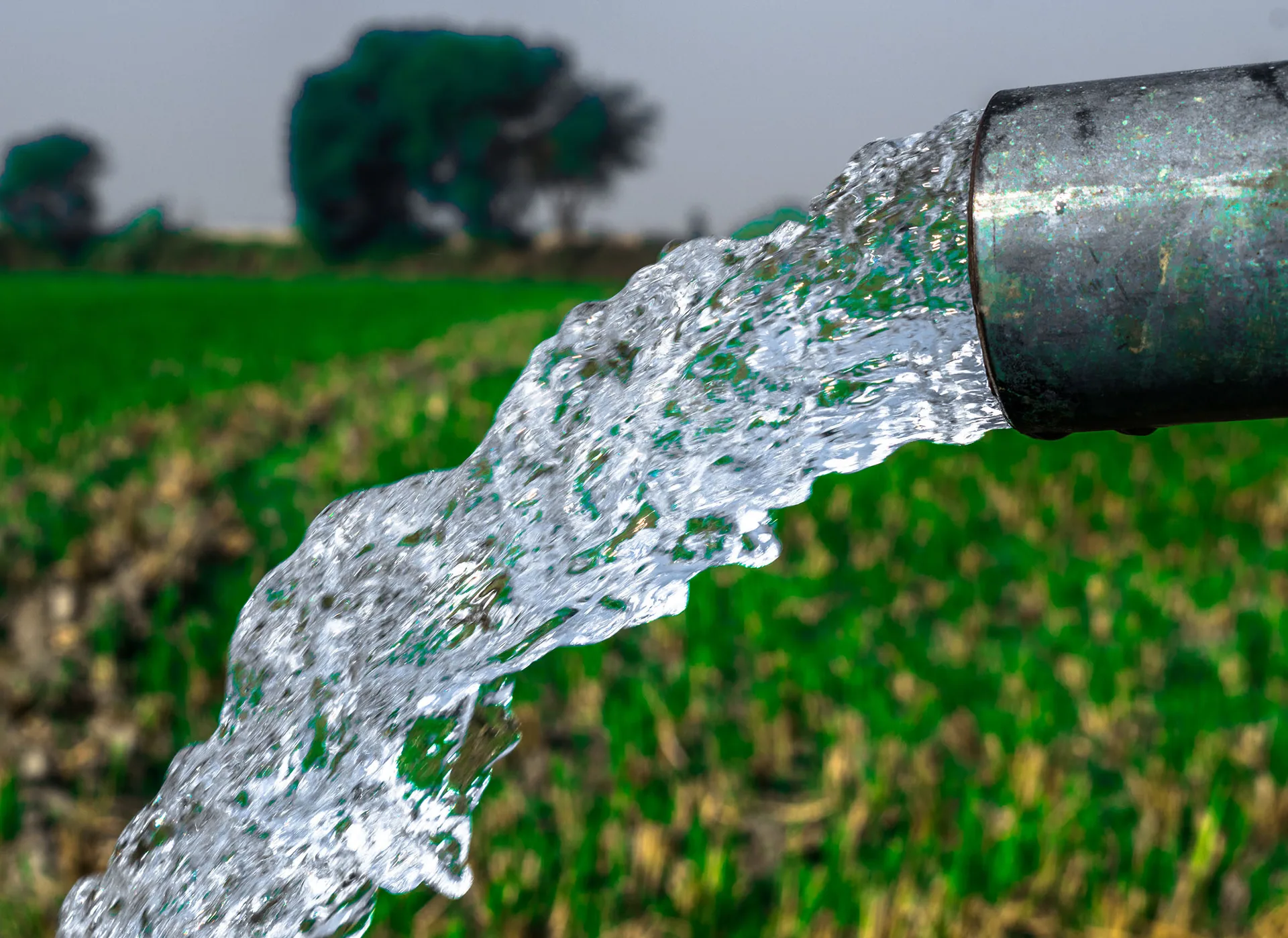
Casey Jones Well Drilling offers well cleaning in Eugene, OR and throughout Lane County, clearing sediment, slime and mineral buildup from wells that have started to clog.
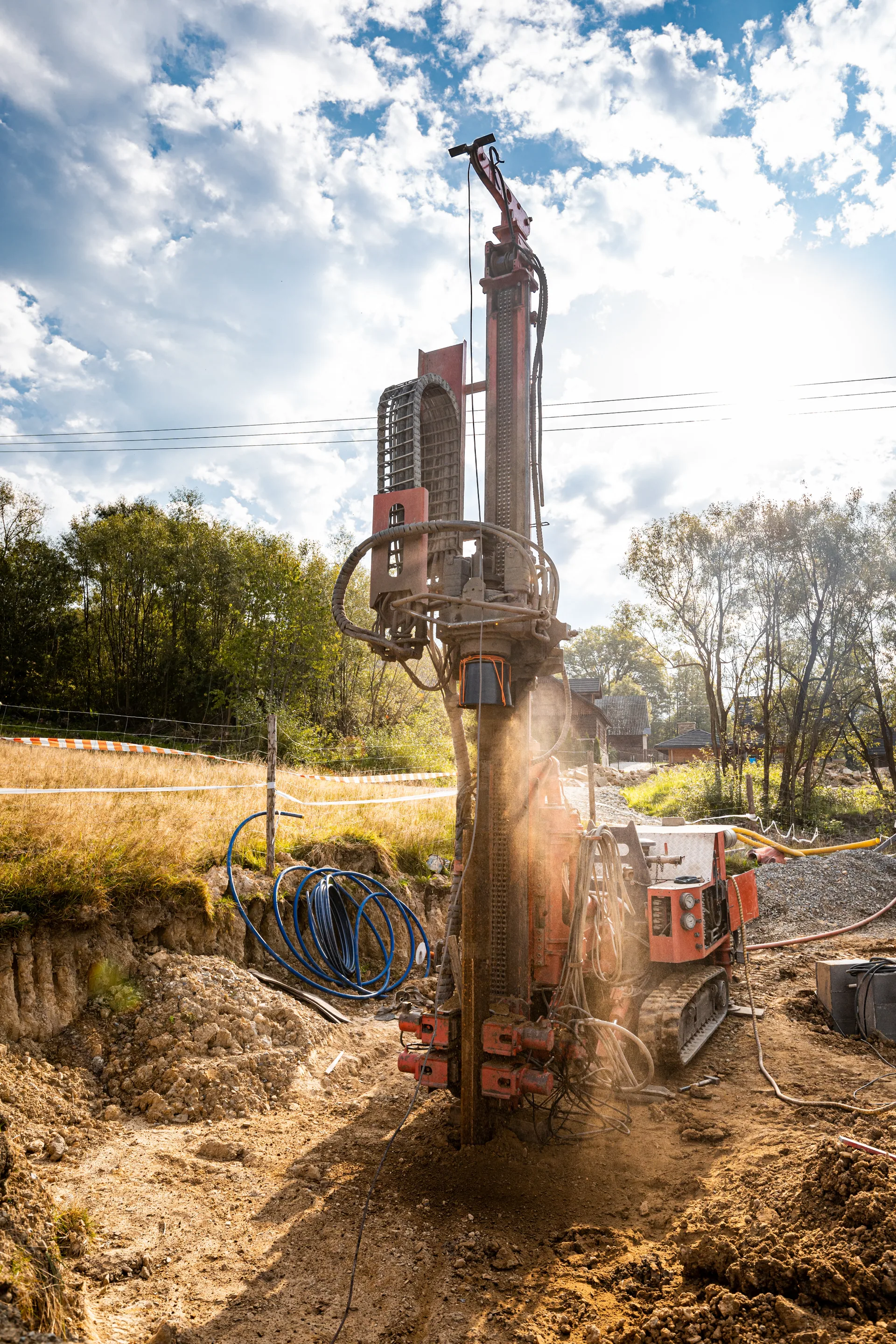
Casey Jones Well Drilling provides geothermal drilling in Eugene, OR and nearby counties, drilling the holes that open and closed loop heat pump systems need.
Watch for a pump that runs longer, pressure that drops during heavy use, a falling water level, or water that turns cloudy or rusty. Comparing today's flow with the original well report is the clearest test. Penn State Extension treats a yield drop of 25 percent or more as a sign that rehabilitation is worth considering.
Sometimes it comes close, and sometimes it only recovers part of the lost yield. Results depend on what is clogging the well, how long the problem has been building and the condition of the casing. Waiting longer tends to make rehabilitation harder, so it is worth having a slowing well looked at early.
Often it is, because rehabilitation reuses the existing hole, casing and location. It is not always the right choice, though. A well with damaged casing, a poor location near a septic system or a history of being too shallow may be a better candidate for replacement. We explain both options so you can compare them.
In most cases the pump has to come out so the well can be inspected and cleaned. We plan that step with you at the estimate, and pump service itself belongs to Rainbow Pump Company, Inc., our family's pump business. A pump that has been working against a clogged well may also need attention, and it is easiest to check while it is out of the well.
Regular checks help catch buildup before yield drops far. Penn State Extension suggests a professional check about every ten years, along with yearly water testing by the owner. Keeping records of your flow and water level over time also makes it easier to spot a slowing well early.
A slowing well is worth a closer look before you commit to a replacement. Call Monday to Friday, 8:00 AM to 4:00 PM, and we will help you weigh rehabilitation against a new well with the facts of your well in front of us.
Please enter your name.
Please enter your email.
Enter a valid email address.
Please tell us a bit about your needs.
Enter a 10-digit phone number.
Please fix the highlighted fields and try again.
Sending...
Something went wrong. Please try again or call us.
This form is not connected yet. Please call us instead.
Too many attempts just now. Please try again in a minute.
That file is too large. Please attach a smaller one, or send it by email.
Something went wrong sending your message. Please try again.
Could not reach the server. Please check your connection and try again.
Spam check